Loading...
Serving Johnston, RI and surrounding areas. (401) 586-9004
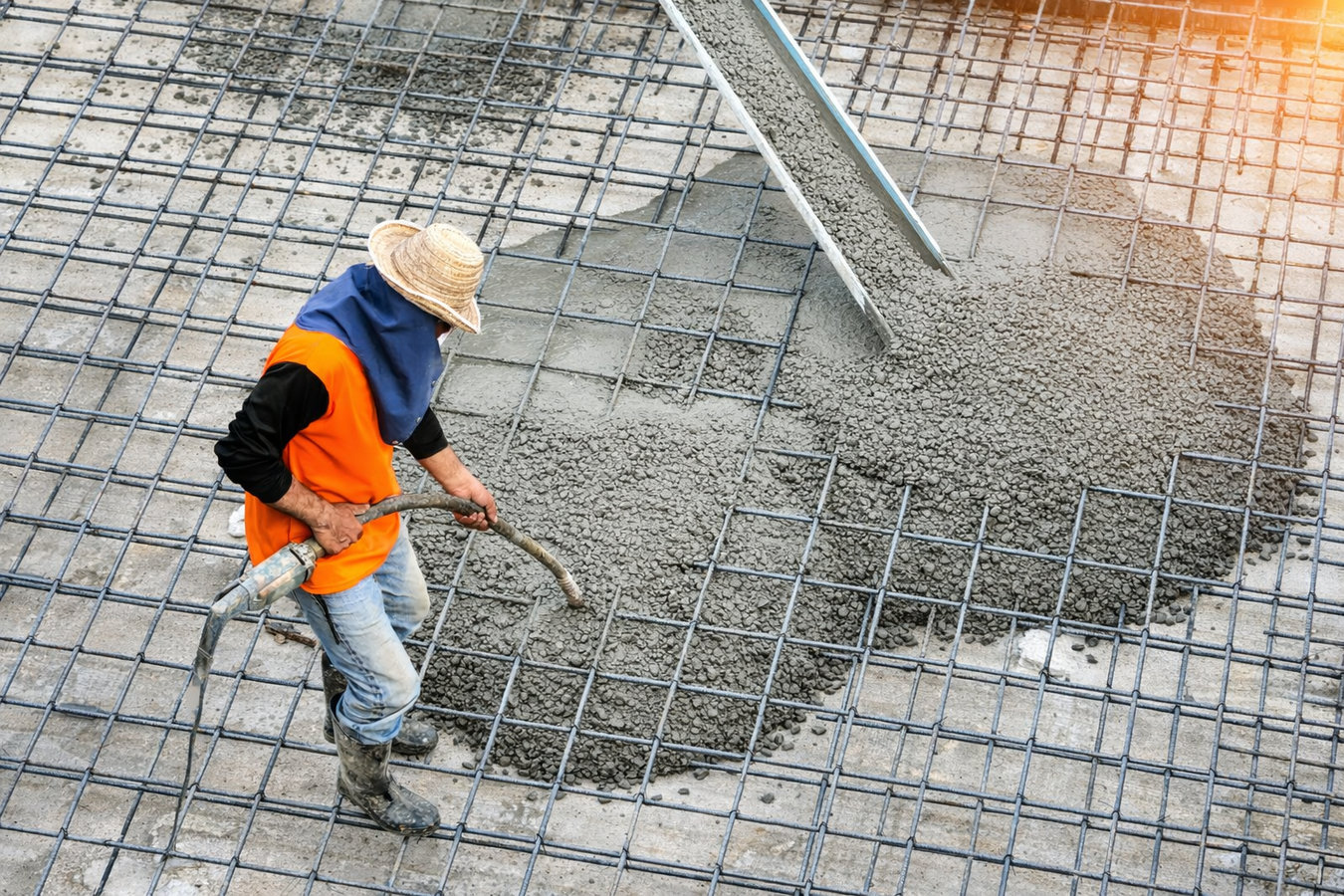
Everything your home stands on starts below grade. We install reinforced concrete foundations in Johnston built below the frost line, with proper waterproofing and drainage so your basement stays dry through Rhode Island winters and wet springs.
Foundation installation in Johnston, RI involves excavating to below the frost line, compacting the base, setting forms, placing steel reinforcement, and pouring the concrete walls and footings that support your home - most residential projects run one to three weeks from the start of excavation to a cured, inspection-ready foundation ready for framing.
Johnston's housing stock includes a significant number of homes built between the 1940s and 1970s, many of which have aging foundations that were not built to current standards. If you are replacing or repairing an existing foundation, the scope of work is often larger than expected - especially with older block construction that has deteriorated over decades. For homeowners who need a new construction foundation but are working on a tighter footprint, a slab foundation is a faster and less costly alternative that we also provide, and we can walk you through which approach fits your project and budget during the estimate visit.
Diagonal cracks spreading out from the corners of window frames or door openings are one of the clearest signs that your foundation is moving or settling unevenly. In Johnston's older neighborhoods, where many homes were built on uneven fill or aging block foundations, this kind of cracking is more common than most homeowners realize. If cracks are wider than a quarter inch or are growing, have a professional assess them.
When a foundation shifts, the frame of the house shifts with it - and the first place you usually notice is doors and windows that used to work fine but now stick, drag, or will not latch. This is especially common in Johnston homes after a harsh winter, when the freeze-thaw cycle puts stress on older foundations. One sticking door might be nothing. Several at once is a pattern worth investigating.
If you find water on your basement floor or along the base of the walls after heavy rain or during spring snowmelt, your foundation's waterproofing has likely failed. Johnston's wet springs and clay-heavy soils hold moisture against foundation walls longer than sandy soils, making this a particularly common problem here. Persistent dampness can also lead to mold and structural deterioration over time.
Stand in your basement and look at the walls straight on. If any section curves inward or has a visible horizontal crack running across it, the wall is under pressure from the soil outside. This is a serious sign that the foundation is being pushed inward - often by saturated soil after a wet season - and the situation typically gets worse without intervention.
We install poured concrete foundations for new residential construction, home additions, and foundation replacements across Johnston. Every foundation we build is dug below Rhode Island's frost line - approximately 48 inches - so the freeze-thaw cycle cannot push your footings up and down through the seasons. We set the forms, place steel reinforcing bars, and pour in a continuous sequence to avoid weak joints. After the forms come off, the outside of the walls gets a waterproofing treatment and drainage material is placed at the base before backfill. If your project also requires a connecting concrete slab on the interior floor, we coordinate with our concrete parking lot building and commercial flatwork experience to handle larger footprints that need both a foundation and a surface pour in the same project.
We handle the full permit process with Johnston's building department - application, staged inspections, and final sign-off - so you are not managing paperwork between conversations with a contractor and a permit office. If our excavation crew encounters ledge rock or large boulders, which does happen in Johnston's glacial till, we communicate with you immediately and explain any cost implications before proceeding - rather than presenting a surprise bill at the end.
Best for new home construction or additions where below-grade living or mechanical space is needed.
Best for homes where a full basement is not required but access to mechanical systems below the floor is still needed.
Best for Johnston homes with deteriorating block or aging poured foundations that no longer meet current structural or moisture standards.
Best for homeowners adding a significant addition that requires a new foundation tied into or alongside the existing one.
Johnston's frost line sits at approximately 48 inches - meaning footings must be dug at least four feet down to stay below the depth at which the ground freezes. A foundation with footings above that line will shift as the ground freezes and thaws each winter, eventually cracking the walls above it. This is non-negotiable in New England, and any contractor proposing shallower footings without a structural engineering reason is cutting a corner that will cost you. On top of the frost requirement, Johnston's glacial till soil - a mix of clay, sand, gravel, and boulders - creates excavation complexity that contractors unfamiliar with the area may not anticipate. Hitting ledge rock is common in hillier sections of town, and it requires specialized equipment and extra time. Homeowners in Lincoln and Cranston face similar soil and climate conditions, and our crews work across the region with the same local awareness.
Johnston also has a significant number of low-lying areas where groundwater can be surprisingly close to the surface in spring - particularly near the Pocasset River corridor and other drainage areas. If your lot is in one of these areas, the crew may need to pump water during excavation and install additional drainage around the foundation. Skipping this step in a wet area is one of the fastest ways to end up with a damp or flooded basement. We assess drainage conditions on your specific lot during the estimate visit and factor it into the scope before we quote a price.
We schedule a visit to your lot - not a phone quote - to look at the site, assess soil and drainage, and discuss the scope of your project. You will hear back within one business day of reaching out, and the site visit is free.
We submit the required permit to Johnston's Building Department on your behalf before any digging starts. Permit approval typically takes a few days to a couple of weeks. You do not need to manage this process - we handle it from start to finish.
With the permit in hand, the crew excavates to below the frost line, removes any rock or debris, compacts the base, and installs forms and steel reinforcement. If ledge rock is encountered, we communicate with you immediately before proceeding with additional work.
We pour the foundation walls and footings, allow the concrete to cure, then apply exterior waterproofing and drainage material before backfill. A building inspector confirms the work meets code before we cover it. You receive the documentation after the project closes.
We visit your Johnston property before quoting - because phone estimates on foundation work are rarely accurate here.
(401) 586-9004Rhode Island's frost depth is approximately 48 inches, and we build every foundation to that standard without exception. Footings dug above that line will shift with the freeze-thaw cycle - cracking walls and causing structural problems within a few winters. This is not something we ever cut corners on.
Johnston's glacial till means boulders and ledge rock are a real possibility during excavation. We assess your specific lot before quoting and tell you upfront how we handle unexpected rock - including what it means for cost and timeline - so you are not facing a surprise mid-project. The American Concrete Institute sets the standards we follow for soil assessment and footing design.
Every foundation we install gets exterior waterproofing and perimeter drainage before backfill. In Johnston, where clay-heavy soil holds water against foundation walls longer than sandy soils, skipping this step is how you end up with a damp basement within the first few wet springs. We do not offer it as an upsell - it is part of every project.
We handle the entire permit process with Johnston's Building Department - application, coordination with the building inspector, and final documentation. Your foundation is on record as built correctly, which protects you at closing if you ever sell. Contractors who skip permits create a problem that surfaces at the worst possible time.
Foundation work is the most consequential concrete project a homeowner can undertake - everything built above it depends on what we do below grade. We approach every Johnston foundation project with that responsibility in mind, and we do not take shortcuts on the things that matter most.
For concrete foundation standards, see the Portland Cement Association. Rhode Island contractor registration is verified through the RI Department of Business Regulation. Permit requirements are managed by the Johnston Building Department.
Poured concrete parking lots and commercial flatwork for Johnston businesses and multi-unit properties that need a durable, long-term surface.
Learn MoreReinforced slab-on-grade foundations for garages, additions, and accessory structures where a full basement is not required.
Learn MoreSpring and early summer book up fast - contact us now to get your project assessed and on the calendar before the season fills in.