Loading...
Serving Johnston, RI and surrounding areas. (401) 586-9004
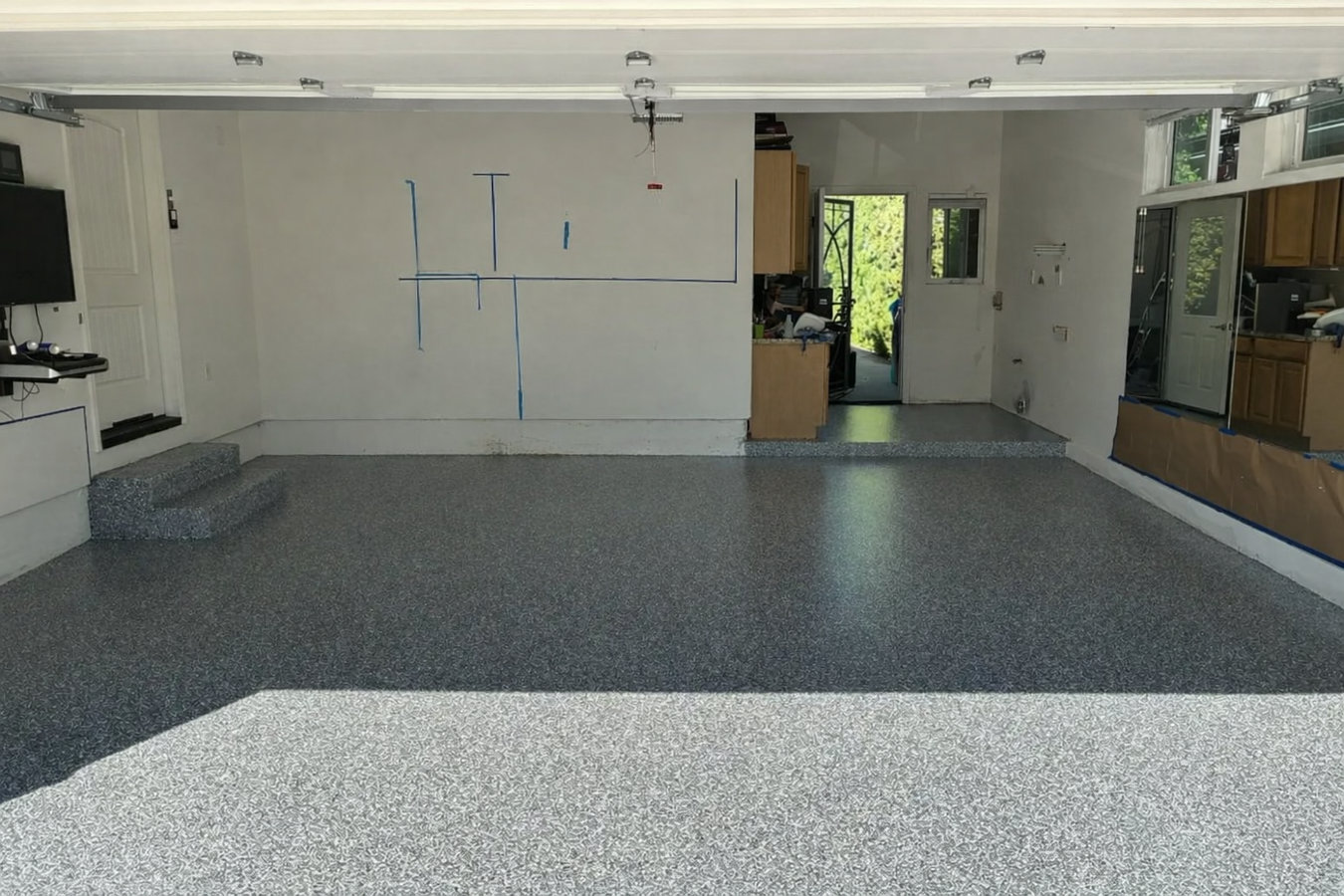
Cracked basement slab, a garage floor that is pitting every winter, or a new addition that needs a floor poured from scratch? We install concrete floors in Johnston built to the right thickness, properly permitted, and sealed to survive Rhode Island winters.
Concrete floor installation in Johnston involves preparing the ground, compacting a gravel base, pouring the slab at the right thickness, and finishing the surface. Most residential projects take one to three days on site, with the floor ready for foot traffic within 24 to 48 hours of the pour.
Johnston has a significant amount of mid-20th century housing stock, and many of those homes have original basement slabs that are thin, uneven, and were never sealed. Replacing or resurfacing an old basement floor is one of the most common projects we handle in this area. If you are also adding a structure to your property, pairing floor work with garage floor concrete or coordinating with a larger concrete pool deck project is straightforward.
We work across Johnston and the surrounding area. Call us or submit an estimate request and we will get back to you within one business day.
If your basement floor is cracking across the surface or crumbling at the walls, the slab has likely reached the end of its useful life. Johnston's older homes often have original floors poured thin and without a proper gravel base - deterioration like this is common after decades of use.
If water sits on your basement or garage floor after rain or snowmelt, the floor may be sloped the wrong way or have low spots. Johnston's wet springs and heavy winter snowfall make this show up every year. Standing water accelerates concrete damage and creates conditions where mold can grow.
That white, powdery residue on a garage floor means salt and moisture have been working into the concrete. The surface flaking off in thin layers - called spalling - is the next stage, and once it starts it spreads. Road salt tracked in during Johnston winters is the most common cause of this problem locally.
If you are planning to add flooring, framing, or a bathroom to an unfinished basement, the existing slab needs to be level and sound first. An uneven or damaged floor causes problems for everything built on top. Having the slab replaced before you start finishing work saves you from tearing things apart later.
We pour new concrete floors for basements, garages, workshops, and additions across Johnston. Residential basement floors are typically poured four inches thick, enough for foot traffic and storage. Garage floors and spaces where vehicles will park are poured five to six inches thick to handle the added weight. Every pour includes proper base preparation - compacted soil and a gravel layer - because the ground underneath is what determines how well the floor holds up long term. For projects connected to garage floor concrete work or larger flatwork like concrete pool decks, we can coordinate the scope so your project moves as a single job rather than separate visits.
Sealing is not optional in Rhode Island. Garage floors especially need a quality sealer to resist the road salt that gets tracked in every winter. We apply a protective sealer after the floor has fully cured, and we can walk you through a reapplication schedule so the protection holds year after year. If you want a decorative finish - polished, stamped, or colored - those choices need to be made before work starts, so we will walk through your options during the estimate visit.
Ideal for Johnston homeowners with original mid-century basement floors that are thin, uneven, or failing.
Five-to-six-inch pours for spaces where vehicles will park, with sealing to protect against Rhode Island road salt.
New pours for garage additions, workshops, or accessory structures where a permitted slab is needed before framing can begin.
Polished, stamped, or colored concrete finishes for homeowners who want a floor that looks as good as it performs.
Johnston's freeze-thaw winters are one of the most important factors in concrete floor work. When temperatures swing above and below freezing repeatedly from November through March, moisture in the ground expands and contracts beneath your slab. A floor poured without proper base preparation - compacted soil and a gravel layer that drains well - is set up to crack early. The clay-heavy glacial soil common in Johnston holds water instead of draining it, which makes base preparation more critical here than in areas with sandier ground. A contractor who skips or rushes that step is setting your floor up for problems within a few winters.
Road salt is the other major threat specific to this climate. Rhode Island roads are heavily salted from December through March, and vehicles track that salt into garages across Johnston every season. Unsealed concrete absorbs salt and moisture, which causes the surface to pit and flake - a process that accelerates once it starts. Homeowners in North Providence and Pawtucket face the same conditions. Asking your contractor about a salt-resistant sealer before the project starts is one of the most practical questions a Johnston homeowner can ask - and the answer tells you a lot about how familiar they are with working in this climate.
We ask the basics upfront - size of the space, what it will be used for, whether old concrete needs to come out. We reply within one business day and schedule a time to come look at the space before giving you a firm price.
We visit your space, assess the ground conditions, and measure the area. You get a written, itemized estimate - not a single number - so you know what the prep work, pour, and sealing each cost before you decide anything.
We apply for the required permit with the Johnston Building Department before work begins - this typically adds a few days to the schedule. Once the permit is in hand, we clear the space, remove old material, compact the base, and set up forms.
The pour typically happens in one day. The floor is ready for light foot traffic within 48 hours and vehicles after about a week. Once cured, we apply the sealer and do a final walkthrough so you know exactly what to expect from the finished floor.
We reply within one business day. You will get a written, itemized price - not a lump sum - and answers to every question before you commit to anything.
(401) 586-9004Every floor we pour gets proper base preparation and the right thickness for its use. We do not cut corners on the gravel layer or the curing time - those are the two things that determine whether your floor holds up through Rhode Island's freeze-thaw cycles or starts cracking early.
We apply for the required building permit with the Johnston Building Department before any work begins. Your floor will be on record, inspected, and documented - so it does not become an issue when you sell, refinance, or make an insurance claim.
Rhode Island road salt is one of the most common reasons Johnston homeowners replace garage floors. We seal every garage floor with a product designed for this climate - so the salt tracked in during January does not eat through your investment by spring.
We are registered in Rhode Island and follow American Concrete Institute guidelines for slab construction. That means our work is grounded in recognized industry standards, not just personal habit - and you can verify our registration with the state before signing anything.
The difference between a floor that lasts 30 years and one that needs attention in five almost always comes down to base preparation and sealing - two steps that take discipline to do right. Those are the steps we do not skip, regardless of schedule pressure.
Slip-resistant concrete pool decks around in-ground pools, poured to handle Johnston summers and sealed to resist moisture and UV.
Learn MoreDedicated garage floor pours with reinforced thickness and salt-resistant sealing for vehicles that track in Rhode Island road salt all winter.
Learn MoreCall or submit your estimate request today. We reply within one business day and can usually get to your property within the week for a written, no-pressure quote.